Sunflower Husk Enters the European Energy Market: How a Kazakh Oil-Mill Residue Became Biofuel
07.11.2026
Pellet exports more than tripled in nine months, Poland is the main buyer, and 250,000 tonnes a year remains an industry estimate for now
In brief: Kazakhstan’s sunflower husk pellet exports rose 3.56-fold in January–September 2026, reaching 63,200 tonnes. Poland is the anchor market, and the industry sees room for up to 250,000 tonnes a year. For European energy buyers, this is a new source of agricultural biomass. For Kazakh processors, it turns a by-product into a revenue line.
From oil-mill residue to export fuel
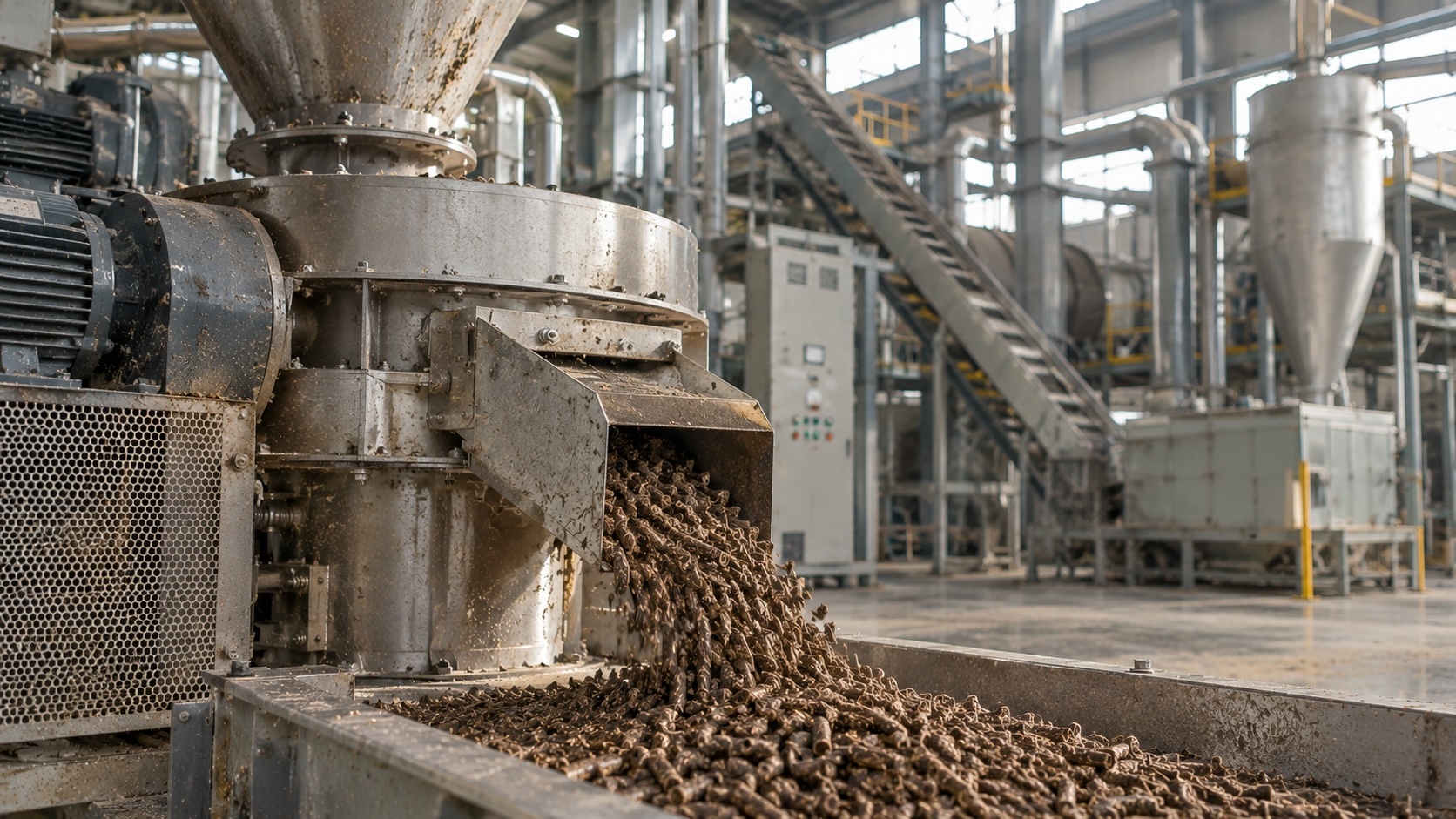
Sunflower husk is what remains after seeds are pressed. It makes up 14–18% of the weight of processed seeds, depending on seed quality. Most medium and large mills already burn part of it in boilers to generate process steam. The surplus can be pelletised, and compression makes it far cheaper to store and move over long distances.
This is a circular-economy model: the feedstock is already at the mill and needs no dedicated cropland. Pelletising turns a cost item into a tradable commodity, and European buyers get a lower-carbon fuel.
Export dynamics: from niche to scale
Official figures, published by Kazakhstan’s Ministry of Agriculture from the National Association of Oilseed Processors (NAPMK), show a sharp acceleration:
- 63,200 tonnes exported in 9M 2026, 3.56 times the year-earlier volume;
- export revenue up 515% to $3.4 million;
- the nine-month volume already nearly double the 33,400 tonnes shipped in all of 2025.
Divided out, these numbers imply an average export value of roughly $54 per tonne. That is our own calculation, and it likely reflects ex-works or border pricing, so it should not be read as a delivered European price. It does show how thin the producer margin is, and why logistics and contract structure decide the economics of every shipment.
Poland: the demand anchor
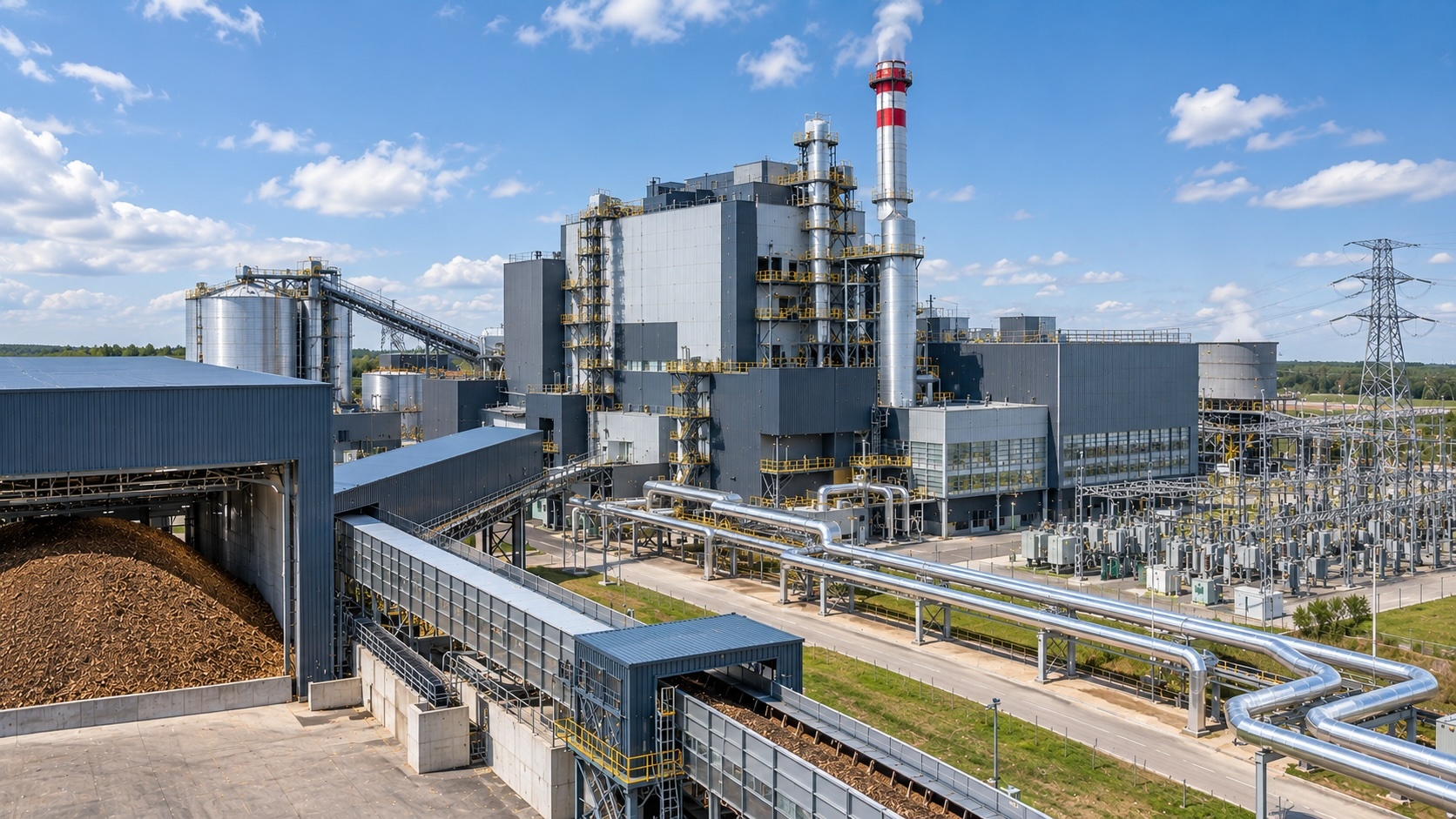
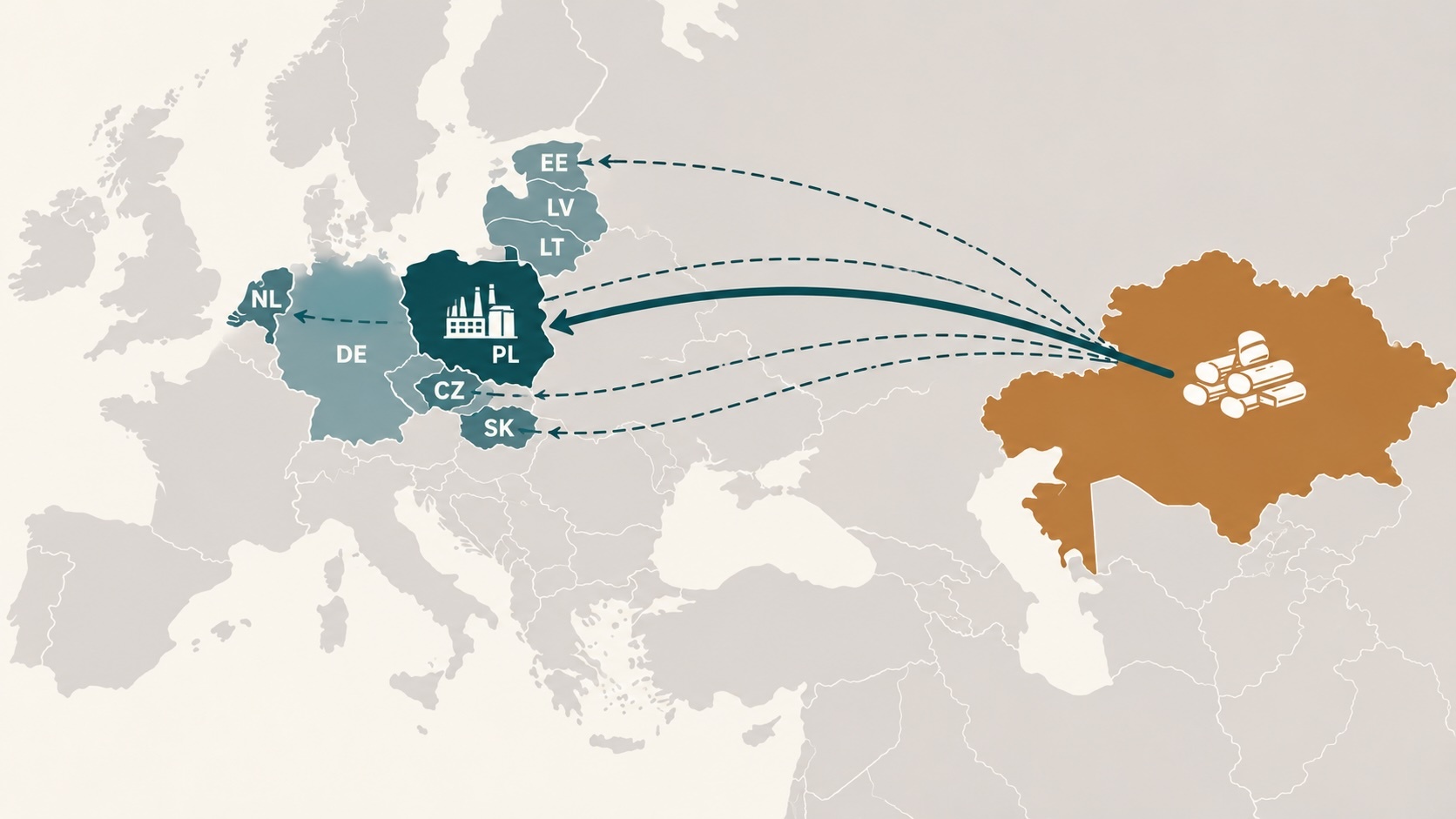
Poland accounted for approximately 98% of Kazakhstan’s pellet shipments in 2025. The ministry did not publish a destination breakdown for 2026. Polish power plants burn the pellets as biomass fuel, and it said a single large plant could consume up to 30,000 tonnes a month.
Several structural factors support Polish demand:
- Growing biomass needs. Industry analyses cited by Industry Europe put Poland’s biomass demand at about 6 million tonnes a year by 2035, and imports of agro-pellets, including sunflower husk pellets, are already part of the market.
- Established co-firing practice. Agricultural residues, including sunflower husks, have long been used in Polish power generation. An academic study of Polish biomass trade found that agro-biomass imports grew faster than forest biomass imports.
- EU regulatory pull. Coverage in Gramwzielone links the RED III directive to a lower certification threshold for biomass installations (7.5 MWt) and an exemption mechanism from EU ETS obligations for qualifying installations. Under EU ETS and RED III rules, biomass used in co-firing may be exempt from the duty to surrender emission allowances. Buyers must still meet sustainability and documentation requirements.
Policy risk is real: biomass demand in Poland has historically depended on co-firing support schemes, and a revision of those schemes can change purchase volumes sharply. Concentration on a single market remains the sector’s main vulnerability.
Production capacity and the 250,000-tonne scenario
Today, up to 10 factories in Kazakhstan produce a combined 10,000 tonnes of pellets per month, almost all of it for export. That is about 120,000 tonnes a year at full utilisation.
The raw-material base is expanding:
- sunflower acreage in 2026 rose 25% to 2.2 million hectares, with Pavlodar, Kostanay, Akmola and North Kazakhstan accounting for about 90% of the growth;
- existing mills have a combined annual processing capacity of 4.4 million tonnes of seeds;
- the government targets $1.5 billion in annual oil and fat exports and a top-four place among sunflower oil exporters by 2028;
- new capacity is under discussion, including a proposed $70 million extraction plant designed to process up to 3,000 tonnes of seeds a day.
NAPMK’s medium-term estimate of 250,000 tonnes a year is roughly 7.5 times the 2025 export volume (Times of Central Asia, Trend). The association does not disclose its methodology, so the figure should be read as an industry benchmark, not a forecast. For comparison: existing mills have a capacity of 4.4 million tonnes of seeds a year, and husk makes up 14–18% of their weight. The theoretical ceiling is therefore much higher, but a significant share of husk is burned at the mills themselves as fuel, and seed supply, as the ministry acknowledged in October, is still limited. Delivering the scenario depends on expanding acreage, mill utilisation and sustained biomass demand in Europe.
Where the real bottlenecks are
From a trade and logistics perspective, five issues separate a promising statistic from a dependable export channel:
- Quality consistency. Ash content, moisture, mechanical durability and calorific value must be stable across batches and documented with certificates of analysis. Non-woody pellets burn differently from wood pellets, and plants tune their boilers accordingly.
- Aggregation. With about ten producers of varying size, buyers need consolidated, repeatable volumes, not spot parcels.
- Transport. Kazakhstan–EU routing is the biggest cost and risk variable. Corridor development is ongoing: one recent analysis says $55 billion in investment is needed to turn the Middle Corridor into a full economic corridor.
- Compliance. Counterparty screening, sanctions checks and full document trails are non-negotiable for European power utilities.
- Diversification. Beyond Poland, the pellets could serve other EU markets with agro-biomass demand, which would reduce dependence on one regulatory regime.

Oakmont Solutions: From Mill to Power Plant
Oakmont Solutions operates within UNEX Group as a B2B trading and logistics partner. Our international trading model covers procurement from manufacturers, contract structuring, delivery coordination and performance control at every stage of the deal. We use back-to-back and drop-shipment schemes under Incoterms such as FCA, EXW and DAP, with AML/KYC/KYB checks and sanctions screening on every counterparty.
For agro-pellet flows, this translates into practical support at each stage:
- Producer side: consolidating volumes from several Kazakh plants and matching specifications to buyer requirements;
- Buyer side: contract terms, documentation and delivery schedules aligned with European plant needs;
- Logistics: route planning and multimodal delivery through our logistics division, which handles road, rail and sea freight and customs clearance. See also our review of priority cargo delivery routes.
Our biotech services add an industrial-biotechnology angle: working with agricultural by-products and bioenergy in the Asia and CIS region. For processors, that means looking at the whole value chain, from husk handling to pelletising to further processing.
Scaling the sales market
Our priorities for widening the market beyond a single destination:
- Build a verified supplier pool among Kazakh oil mills with proven quality records;
- Open new EU buyer segments: utilities, CHP operators and district-heating companies running agro-biomass-capable installations;
- Move to longer contracts with indexed pricing, replacing one-off spot deals;
- Standardise documentation (certificates of analysis, origin and sustainability paperwork) so shipments clear faster and buyers audit them with confidence;
- Optimise delivery through consolidated shipments and corridor diversification.
Outlook
The direction is clear. Kazakhstan has a growing seed base, installed processing capacity and a surplus by-product that European plants want. The 250,000-tonne scenario depends on seeds, policy and logistics rather than on demand alone. Companies that offer verified quality, consolidated volumes and transparent contracts will be best placed to turn export growth into stable, long-term trade. We covered where Kazakh grain is heading in our 2026/27 season review.
Looking to buy or supply sunflower husk pellets? Contact the Oakmont team at assistant@oakmont-solutions.com or via the contacts page.
